Dental Bonding for Small Cosmetic Imperfections


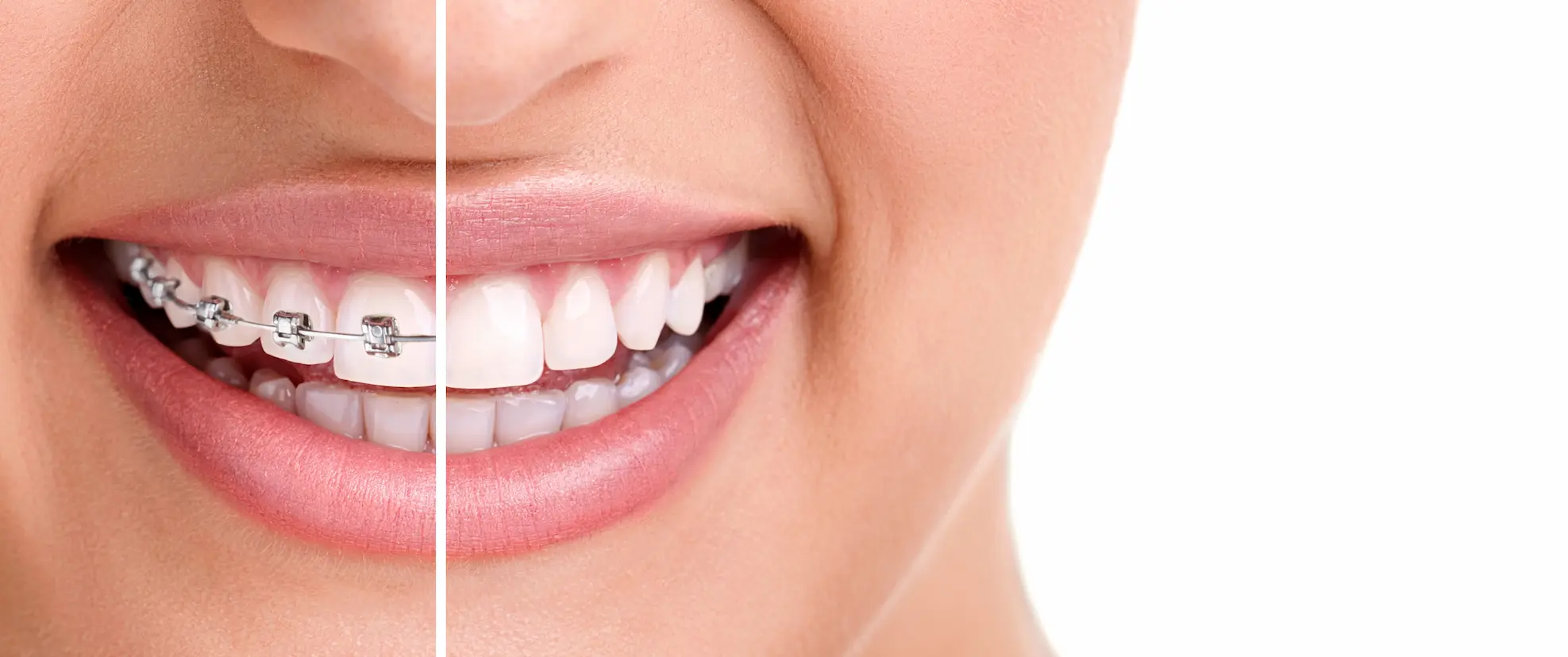
A great deal of cosmetic dentistry is not about dramatic makeovers. Most of the time, patients are not trying to reinvent their smile. They want to smooth a rough edge, close a tiny gap that catches the eye in photos, hide a white spot that never blended in, or repair a chip that happened years ago and still bothers them every time they look in the mirror. For these smaller concerns, Dental Bonding often sits in a very practical sweet spot.
It is one of the most conservative cosmetic treatments available. In many cases, it can be completed in a single visit, usually without drilling, numbing, or sending anything to a lab. That combination of simplicity and versatility explains why bonding remains such a mainstay in everyday practice, even in an era filled with clear aligners, porcelain veneers, and digital smile design.
That said, bonding is not magic. It has strengths, limitations, and a very specific role. When used thoughtfully, it can https://dallasvunn642.scriblorax.com/posts/who-is-a-good-candidate-for-dental-bonding look remarkably natural. When pushed too far, it can chip, stain, or simply feel like the wrong material for the job. The best outcomes come from matching the treatment to the problem, not from trying to make one technique solve everything.
What dental bonding actually is
Dental bonding uses a tooth-colored composite resin, the same general family of material used in many white fillings, to reshape or refine the visible surface of a tooth. The dentist selects shades, prepares the enamel, applies the resin in increments, sculpts it, and hardens it with a curing light. Once polished, the bonded area is designed to blend into the natural tooth.
Patients are often surprised by how handcrafted the process is. Unlike a crown or veneer made in a lab, bonding is typically shaped directly on the tooth while you are in the chair. The dentist is making a series of small artistic decisions in real time: where light should reflect, how sharp or soft an edge should be, whether a corner needs a little more translucency, how much length will look balanced with the neighboring teeth. Good bonding is part science, part sculpture.
That is why results can vary. The material matters, but the operator matters just as much. A beautifully bonded front tooth does not happen because a syringe of composite exists. It happens because someone knows how natural enamel catches light, how central incisors differ from lateral incisors, and how a tiny change in contour can make a tooth look younger, softer, stronger, or more symmetrical.
The kinds of imperfections bonding handles well
Small cosmetic flaws are where Dental Bonding usually shines. A chipped incisor is one of the classic examples. If the chip is limited to the edge and the tooth is otherwise healthy, bonding can often restore the shape quickly and with minimal intervention.
It is also commonly used to improve teeth that are slightly uneven in length or contour. A patient may have one front tooth that looks subtly shorter than the other, or a canine that appears too pointed. These are not major structural problems, but they can make a smile feel off. Bonding can correct them with very little sacrifice of healthy tooth structure.
Another frequent use is closing minor spaces between teeth. A small gap between the front teeth may be charming on one person and distracting on another. If the spacing is modest and the bite is favorable, bonding can broaden the adjacent teeth enough to create a more continuous smile without orthodontics. The key phrase there is “minor spaces.” Once the gap becomes larger, simple widening can start to look bulky or unnatural.
Discolorations can also respond well, especially localized ones. White spot lesions, small enamel defects, and some areas of internal color mismatch may be improved with bonding, often after a careful assessment of whether bleaching, microabrasion, or resin infiltration would be more conservative. This is one of those areas where experience matters. Covering a spot is easy. Covering it without making the tooth look opaque or flat is harder.
Bonding may also be used to make a tooth appear straighter than it really is. This can work for a tooth that is slightly rotated or set back. It is not a substitute for moving teeth when alignment issues are more than mild, but for subtle camouflage, it can be extremely effective.
Why patients are drawn to it
Some cosmetic treatments ask patients to think in terms of a full smile plan. Bonding often starts with a simpler question: what bothers you when you look at your teeth? That makes it accessible. Patients who would never consider veneers for eight or ten teeth may feel very comfortable correcting one chipped corner or one uneven edge.
There is also the matter of tooth preservation. In a profession increasingly focused on minimally invasive care, bonding fits the philosophy well. Enamel is valuable. Once it is removed, it does not grow back. If a cosmetic concern can be improved without significant reduction of the tooth, that is usually worth serious consideration.
Cost plays a role as well. Fees vary by region, complexity, and the number of teeth involved, but bonding is generally less expensive than porcelain veneers. For someone dealing with a localized issue rather than a full cosmetic overhaul, that matters. It gives patients a way to make meaningful improvements without committing to a larger treatment plan.
Speed is another attraction. A patient can walk in with a small chip and leave with it repaired the same day. There is no temporary restoration, no waiting for a laboratory case, and usually no recovery period beyond adjusting to the feel of the new contour.
Where bonding is most likely to succeed
The best candidates are not defined only by the shape of their teeth. Their habits, bite, and expectations matter just as much.
- Small chips, minor gaps, uneven edges, and localized defects tend to respond best.
- Patients with healthy enamel and good oral hygiene usually get more predictable results.
- A stable bite, without heavy grinding or repeated edge-to-edge contact, improves longevity.
- Realistic expectations are essential, especially around stain resistance and wear.
- People who want a conservative, repairable treatment often appreciate bonding most.
That last point is important. Bonding is repairable in a way porcelain often is not. If a small edge chips later, the dentist can frequently add or reshape material rather than replacing an entire restoration. Patients who value flexibility tend to see this as a major advantage.
When another option may be better
Bonding has limits, and respecting those limits protects both aesthetics and durability.
If a tooth is badly broken, extensively filled, or structurally weakened, a more substantial restoration may be indicated. Cosmetic concerns do not exist in isolation from function. A beautiful edge is not much use if the remaining tooth cannot support it. In those situations, a veneer or crown may provide better long-term support, depending on how much natural structure remains.
Color change is another area where bonding can disappoint if the case is not selected carefully. Composite can mimic natural enamel very well, but it does not have the same optical behavior or long-term stain resistance as glazed porcelain. If someone wants a major brightening effect on several front teeth, porcelain veneers or whitening combined with other treatment may provide a more stable result.
Then there is alignment. Bonding can disguise small irregularities, but it cannot truly move a tooth. I have seen cases where patients wanted to avoid orthodontics and hoped resin could solve moderate crowding. Sometimes it can soften the appearance, but if the teeth are significantly rotated, overlapped, or out of position, camouflage only goes so far before it starts looking overbuilt.
Grinding and clenching deserve special mention. A patient who constantly overloads the front teeth places bonded edges under stress. That does not automatically rule bonding out, but it changes the conversation. Night guards, bite analysis, and a frank discussion about maintenance become part of the plan.
The appointment, step by step in real life
Patients often expect a more invasive process than what actually happens. For small cosmetic bonding, anesthesia is frequently unnecessary. If no decay is being removed and the work stays on or near the enamel surface, the appointment is usually quite comfortable.
The tooth is first cleaned and evaluated under good light. Shade selection happens before the tooth dries out too much, because dehydrated teeth can appear lighter than they really are. If the case is in the smile zone, many dentists use more than one shade or translucency. Natural teeth are not one flat color, and single-shade bonding on a front tooth often looks exactly like what it is, a patch.
The surface is then prepared. This may involve gentle roughening of the enamel to create a better bonding surface. An etching gel is applied, followed by an adhesive. Then the composite resin is added in layers. Each layer is shaped and cured before the next one is placed. This layering approach helps with both strength and appearance.
What patients notice most is the final sculpting and polishing. The dentist checks the tooth from multiple angles, asks the patient to bite, and refines tiny details. A fraction of a millimeter can change the look. The polish matters too. Surface smoothness affects not only shine, but also how quickly staining and plaque build-up occur over time.
A well-finished bonded restoration should feel almost unremarkable to the tongue within a day or two. If it feels rough, catches floss, or alters the bite in a distracting way, it usually needs adjustment.
Longevity, and what honest expectations look like
One of the most common questions is, “How long does bonding last?” The honest answer is that it depends heavily on location, habits, and how much material is being asked to do.
Small bonded additions on low-stress areas can last several years, sometimes much longer with good care. Bonding on front edges that absorb repeated biting force, or in patients who grind, may need touch-ups sooner. In broad terms, many dentists discuss a lifespan in the range of about three to ten years for cosmetic bonding, but that range is wide for a reason. A tiny repair on a careful patient is a very different situation from major reshaping on someone who bites pens and chews ice.
This is where trade-offs come into focus. Porcelain generally holds gloss and color better over time, but it is more expensive, less easily repaired, and often requires more planning. Bonding is more conservative and more affordable, but usually asks for more maintenance. Neither material is universally better. The better choice is the one that fits the case and the patient.
I often think of bonding as excellent dentistry when the goal is targeted improvement with minimal biological cost. If a patient understands that a touch-up in a few years is not failure but part of the life cycle of the material, satisfaction tends to be high.
Staining, wear, and the small habits that matter
Composite resin is durable, but it is not enamel. It can pick up stains over time, especially in patients who drink coffee, tea, red wine, or who smoke. The edges may also lose some polish, making them look slightly duller than adjacent enamel. This usually happens gradually, not overnight.
A practical point that sometimes surprises patients is that bonded areas do not whiten the same way natural enamel does. If someone is considering tooth whitening, it is often smarter to whiten first and match the bonding afterward. Otherwise, you may brighten the natural teeth and leave the bonded portion looking darker by comparison.
Wear patterns matter too. People who use their front teeth as tools, to tear open packets, strip tags, or crack sunflower seeds, predictably shorten the life of bonded edges. These details may sound trivial, but they are often the difference between bonding that looks fresh for years and bonding that needs repair after a short interval.
Caring for bonded teeth without overthinking it
Maintenance is not complicated, but it is intentional.
- Brush with a soft-bristled toothbrush and a non-abrasive toothpaste.
- Floss daily, especially around bonded contact areas where contour matters.
- Avoid biting hard objects such as ice, pens, fingernails, or packaging.
- If you grind or clench, wear a properly fitted night guard if recommended.
- Keep regular checkups so small chips or rough spots can be polished early.
Most patients do well with this level of care. Bonding does not require a special lifestyle. It just rewards common-sense habits.
The artistic side patients rarely see
There is a reason two bonding cases with the same diagnosis can produce very different visual results. Front-tooth aesthetics are unforgiving. Human eyes are remarkably good at detecting asymmetry and surface irregularity, even when we cannot explain exactly what looks off.
A natural tooth is not a blank white tile. It has subtle line angles, changes in translucency, tiny texture patterns, and a very specific way it reflects light. A bonded repair on the edge of a central incisor may need to look bright from the front, slightly translucent at the tip, and almost invisible at conversational distance. That takes judgment.
I remember a patient who came in with a small chip on a front tooth after bumping a glass. She was mainly worried that other people would notice. The repair itself was modest, but the challenge was matching a tooth that had natural translucency at the incisal edge and faint craze lines in the enamel. Technically, it was a simple case. Aesthetically, it required patience. Once polished, the patient looked in the mirror and said, “I can’t tell where it is.” That is the standard patients hope for, and the standard clinicians chase.
Bonding versus veneers, a practical comparison
Patients often ask whether bonding is “as good as” veneers. That question misses the real issue. The better question is whether veneers are necessary for the problem at hand.
For a single chip, a slight asymmetry, or a narrow gap, veneers may be more treatment than the situation requires. Bonding can often achieve an attractive result while preserving more enamel and reducing cost. On the other hand, when multiple teeth need comprehensive color change, shape correction, and long-term stain resistance, veneers may offer better control and stability.
The decision is rarely just about appearance on day one. It is about the biological cost, maintenance pattern, and future flexibility. A twenty-five-year-old with a tiny chip and otherwise healthy enamel is in a very different category from a fifty-year-old with worn edges, old restorations, and a desire for broad cosmetic change.
Questions worth asking before saying yes
A good consultation should cover more than price and timing. Patients benefit from asking how much of the tooth needs to be altered, how durable the proposed bonding is expected to be in their specific bite, whether whitening should happen first, and what kind of maintenance is likely.
It is also reasonable to ask to see before-and-after examples of similar cases. Not every dentist focuses equally on cosmetic finishing, and bonding on front teeth is one of those procedures where small technical differences show up clearly. Photos can reveal whether the dentist’s aesthetic sense matches the patient’s goals.
If the proposed treatment involves closing spaces or reshaping several front teeth, a wax-up or mock-up may help preview proportions before the final work is done. Even when the material is conservative, planning still matters.
Why small improvements can feel so significant
There is something distinctive about treating minor cosmetic imperfections. The physical change may be tiny, but the emotional effect can be outsized. A patient who has spent years hiding a chipped tooth in photos or angling their smile to conceal one short edge often experiences genuine relief when that little flaw is finally gone.
That does not mean every imperfection needs treatment. Some of the most attractive smiles have quirks. Character is not a defect. But when a detail consistently draws a person’s attention and there is a conservative way to improve it, Dental Bonding can be an elegant answer.
Its value lies in restraint. It is not about making every tooth look manufactured. It is about restoring balance, smoothing distractions, and doing it with respect for the natural tooth underneath. In the right hands, for the right reasons, that is often more than enough.
Toothworks of Bakersfield, Dentist and Orthodontist
Address: 1030 H St #1, Bakersfield, CA 93304
Phone number: +16613239421
FAQ About Dental Bonding
How long does dental bonding last?
Dental bonding typically lasts between 3 and 10 years (averaging about 5 to 8 years) before it needs a touch-up or replacement. Its lifespan depends heavily on your daily habits, where the bonding is placed in your mouth, and how well you care for your teeth.
How expensive is bonding a tooth?
Dental bonding typically costs between $100 and $600 per tooth, with a national average of about $431 per tooth.
What are the downsides of dental bonding?
Dental bonding has several drawbacks, including lower durability, a shorter lifespan, and a tendency to stain compared to alternatives like porcelain veneers.